
What Are the Main Trends in Food Packaging? A Guide for 2026
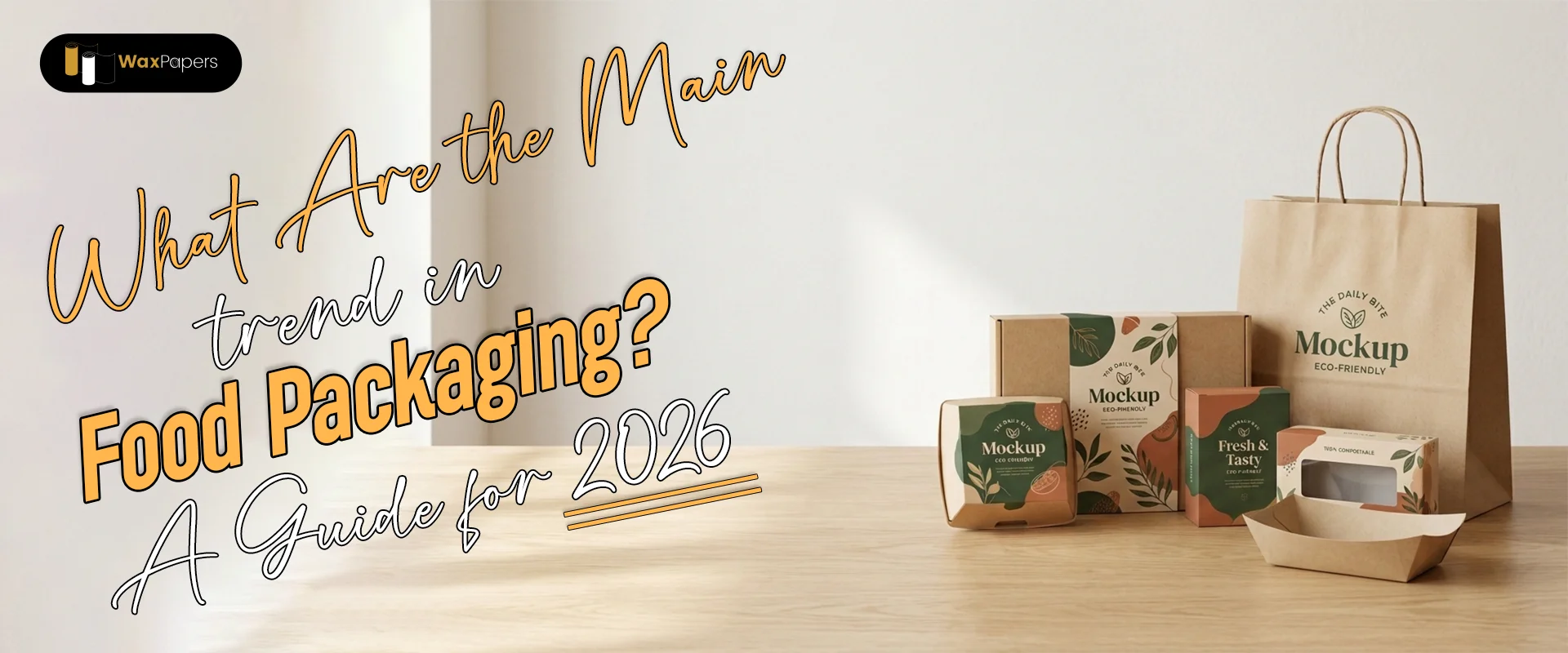
Many startups and growing businesses want to know about the hidden aspects of food packaging. Every brand knows that unique packaging builds trust and sustainability. Therefore, food packaging brands feel pressure to manage these things. Food packaging is evolving quickly. So, what are the main trends in food packaging? Unique ways businesses can use food packaging to stay competitive. I will share the trends that shape the food packaging industry. What food businesses should consider before investing in new food packaging.
1. Sustainable Food Packaging
As the packaging industry uses modern methods and materials, the most important factor is sustainability. Many consumers pay more attention to packaging waste. Therefore, food businesses are looking for ways to reduce their environmental impact. Simple plastic packaging still has an important role in protecting food. But many brands are exploring alternatives that are easier to recycle as well as reuse and compost under the right conditions.
Some of the most common approaches include:
- Recyclable packaging
- Compostable packaging
- Reusable containers
- Reduced-material packaging
These are the options that add value to the environment and make takeaway packaging sustainable. But it is not as simple as replacing plastic with paper. A poorly designed alternative can increase food waste and reduce environmental benefits.
2. Minimalist Packaging With Clear Labels
But now many consumers make quick decisions after looking at the package. The consumer will buy quickly if your package portrays the product clearly. Many food brands are using simpler designs with cleaner layouts and more readable labels. They focus on the essentials:
- product name
- ingredients
- nutritional information
- key benefits
- brand identity
You can create a consistent identity across all your products with minimalist packaging. But simplicity should never reduce essential information.
3. Smart Packaging with Digital Experiences
Digital technology is creating new ways for brands to communicate with consumers after a product leaves the factory. One of the most accessible examples is the QR code. By scanning a code with a smartphone, customers may be able to access information like:
- ingredients
- allergens
- sourcing
- storage instructions
- sustainability
- Recipes
You can start with a practical digital feature that answers a real customer question.
4. Convenience Packaging
The packaging should fit for everyday routines. This is pushing food manufacturers toward designs that are easier to open,carry, store, serve, and reseal.
Popular examples are:
- Resealable pouches
- Portion controlled packaging
- Microwave safe containers
- Easy open lids
5. Food Safety and Protection
This is an important factor. Many different technologies help food companies keep their products safer and more protected. Here are some methods:
- Atmosphere packaging
- High-barrier materials
- Vacuum packaging
These protect food from contamination. However, the right solution depends on the food itself. You must choose fast food boxes that meet the product protection needs.
6. Flexible Packaging
The product can become more convenient. Flexible formats can reduce shipping weight and provide useful barrier properties. They are commonly used for:
- snacks
- frozen foods
- sauces
- dried ingredients
- pet food
- many other products
You can compare flexible packaging with rigid alternatives based on product protection as well as shipping and the recycling infrastructure available in your target market.
7. Personalize and Brand Identity
Packaging can be one of the things that helps a brand stand out. Personalization can also involve pack sizes and designs that connect the physical package with an online experience. Good packaging design is not just about looking different. It should help customers:
- recognize the brand
- understand the product
- feel confident to buy
You need to develop a recognizable visual identity.
8. E-Commerce and Food Delivery
Grocery shopping and food delivery have changed the way packaging needs to work. A product sold in a store usually only has to deal with handling and short trips. When the same product is delivered to a customer’s home, it can go through many moves and take much longer to get there. This means the packaging has to be stronger than before. You should test your packaging the way it will actually be used. It’s important to see how it performs under delivery conditions.
9. Automation Packaging
Food packaging trends aren’t driven by consumer preferences alone. Manufacturers also need packaging that works reliably on production lines. As businesses grow, manual packaging processes can become expensive as well as inconsistent and difficult to scale. Automation offers opportunities to improve filling accuracy, consistency, and production speed.
Depending on the operation, businesses may invest in:
- Automated filling machines
- Case packers
- Robotic handling systems
- Vision inspection equipment
Packaging materials also affect production efficiency. You need to evaluate packaging alongside the equipment and production process. The cheapest material per unit is not always the most economical choice if it increases labor requirements.
10. Food Packaging Regulations
Food businesses must pay attention not only to packaging performance. But also to the rules governing materials and product information. Requirements depend on different factors. But common areas of concern include:
- Food-contact material safety
- Ingredient declarations
- Allergen information
- Nutritional labeling
- Date marking
- Environmental claims.
Digital product information and labeling can help these efforts. However, the exact requirements depend on the market.
Right Food Packaging for Your Business
Understanding the main food packaging trends is a useful starting point. The next step is deciding which ones make sense for your products as well as customers and budget.
Here are five practical points before making a decision.
- 1. Type of food for packaging
- 2. Target customer
- 3. Your budget
- 4. Sustainability options
- 5. Branded packaging
How to Choose a Food Packaging Supplier?
Finding the right supplier becomes much easier once you know what you need. At Waxpapers, we offer more than a catalog of products. We understand your application options and give solutions to fulfil your requirements.
Before placing an order, mention the following:
- Product suitability
- Material specifications
- Customization
- Quality consistency
- Production capacity
- Pricing and lead times
- Testing and samples
- Regulatory support
Final Thoughts
Understanding the above, you can make the right choice for your packaging. Your packaging must protect food and help you to grow as well. You need solutions that are affordable if you are launching a new food product.
Moreover, we can guide you through the process. Our professionals will give you the best food packaging solutions that keep your product protected and support your business as it grows.