
What’s the Actual Difference Between Single-Wall and Double-Wall Cups?
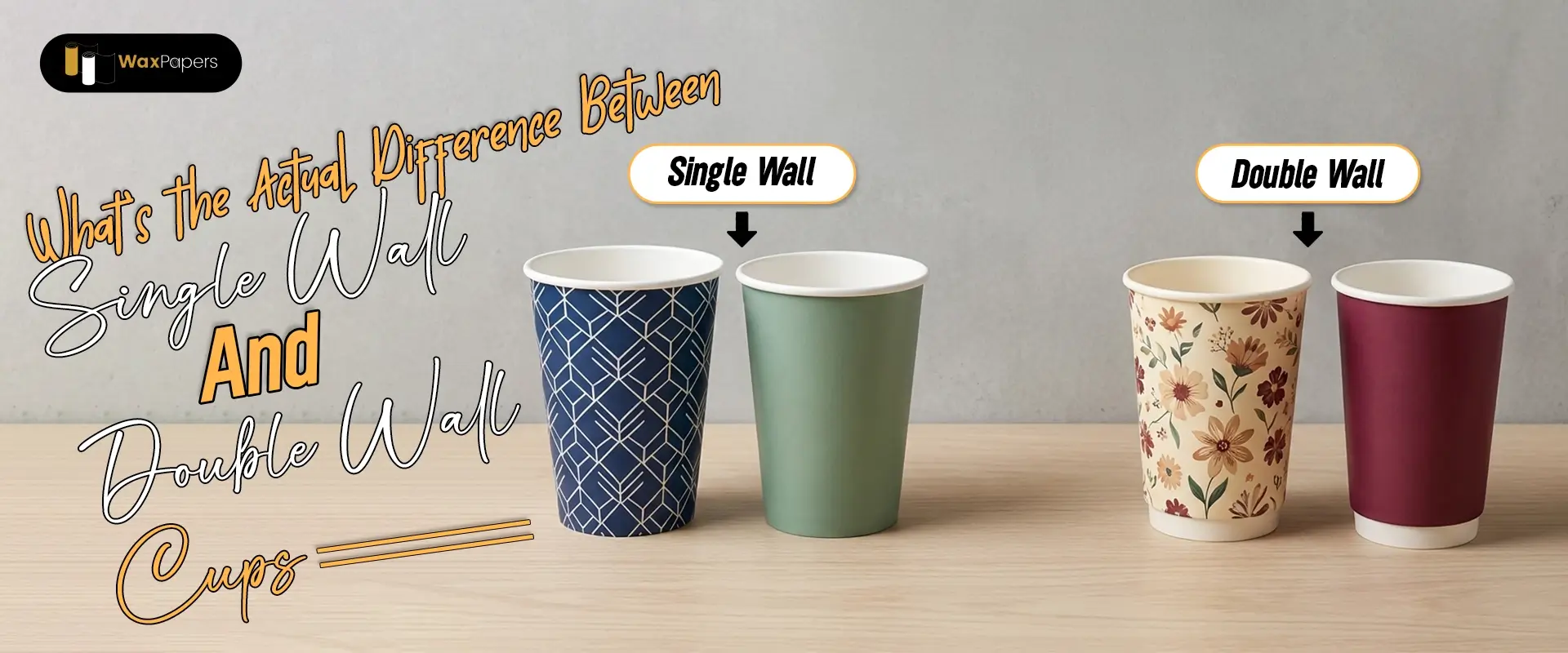
Two coffee cups from the same shop can feel completely different in your hand. One feels too hot to hold within seconds. The other stays comfortable in your hand the entire time, even with the same drink inside. The difference has nothing to do with the coffee itself. It comes down to how the cup is built, specifically, whether it has one wall or two. That’s when I actually looked into what makes single-wall and double-wall cups different, and the answer is simpler than the price difference suggests.
A single wall paper cup has one layer of material between your hand and your drink. Most paper cups from fast food counters are built this way, and so are basic plastic tumblers. A double-wall cup works because of trapped air. The gap sits between the inner wall and the outer wall. Air is a poor conductor of heat. Very little of it passes through to the outside. The inner wall holds the heat from the drink. The outer wall stays close to room temperature. That is what lets you hold the cup comfortably without a sleeve.
A café that keeps hearing complaints about cups being too hot to hold is usually dealing with this exact problem. An office that goes through paper towels every time someone orders iced coffee is dealing with the other side of it, condensation building up on a single-wall cup. The rest of this guide breaks down what that one design choice actually changes.
Which Cup Keeps Your Drink Hotter or Colder for Longer?
The selection of the cup determines the duration for which your beverage remains hot. When you select a double wall paper cup, your beverage remains hot for a long duration. This is because the extra layer of the material reduces heat transfer. On the other hand, a single-wall paper cup does not have the ability to provide extended insulation. It not only burns the holder’s hand but also allows easy transfer of heat from the beverage to the environment. So you have to select the cup based on the beverage type. A single shot of espresso is good to be served in a single-wall cup. While hot coffee or latte will go best in a double wall.
Why Cold Drinks Cause Water Rings On Tables
A single-wall cup has no barrier against outside temperature. Cold drinks inside it pull the outer surface down fast. Warm air outside meets that cold surface right away. Water forms on the surface right away. It spreads across the cup within seconds. Within a few minutes, you have a fully wet cup.
A double-walled cup does not have those problems, as the outer wall never gets cold enough to trigger the same reaction. Moreover, the gap between the cup layers creates an air insulation that blocks external temperature from affecting the beverage temperature. Your grip and the surface under the cup both remain dry.
Wet Hands
A sweating cup gets slippery within minutes. Iced coffee causes this fast. Cold soda does the same. Your grip loosens even when you hold tighter. The cup starts turning in your hand on its own. Some people wrap a napkin around it. The napkin gets soaked too within minutes, leaving you right back where you started.
Damaged Surfaces
Water pooling under the custom paper cups ruins more than napkins. It soaks into wood tables and warps paper documents left nearby. A phone left too close can soak up that water without you noticing. It gets into the ports. It gets under the keys. Nothing seems wrong that same day. Then the device starts having problems out of nowhere.
The Fix
Double-wall cups solve this without extra effort. No sleeves, coaster and no towel required. The design itself keeps moisture from forming on the outside. This is one of the clearest reasons offices and restaurants switch cup types during warmer months.
Cost And Weight: Where Single-Wall Cups Win
A double-wall cup costs more to make. Two layers of material means more cost per unit than a single layer. For small orders, this difference feels manageable. For large orders it adds up fast. A business buying thousands of cups a month feels this cost difference directly on their monthly supply bill.
- More material means higher production cost
- Small orders barely feel the difference
- Bulk orders show the real gap
- Monthly supply bills rise noticeably
- Yearly costs add up fast
- Margins shrink for high-volume sellers
Storage space shrinks since double-wall cups take up more room per box. For high-volume settings these small differences turn into real savings once you switch to single-wall. A stockroom stocking disposable paper cups in bulk suddenly has breathing room again.
Lower Price
Single-wall cups cost less to produce. Less material goes into each cup. That saving passes down to the buyer. A coffee shop serving hundreds of drinks a day feels this difference every single month on their supply orders.
Less Weight
Single-wall cups weigh less per unit. Boxes ship easier and cheaper this way. A business ordering in bulk saves real money on shipping alone. This adds up fast once order sizes grow large.
Easy Storage
Single-wall cups stack tighter than double-wall ones. More cups fit in less shelf space. A small stockroom holds more inventory without needing extra storage. This matters most for shops with limited backroom space.
Final Verdict
Single-wall and double-wall cups aren’t really competing against each other. They solve different problems. Double-wall keeps drinks at the right temperature and keeps your hand dry. Single-wall keeps costs down and takes up less space in storage. Pick based on how long people actually hold the drink and how many cups your business goes through in a month. That’s really the only decision that matters here.
Cups are rarely the only packaging decision a food business makes. Bakeries and cafés often need boxes, wraps, and other packaging alongside their drinkware. If that’s part of what you’re sourcing, Custom wax papers has options worth a look for that side of the packaging.